Leave Your Message
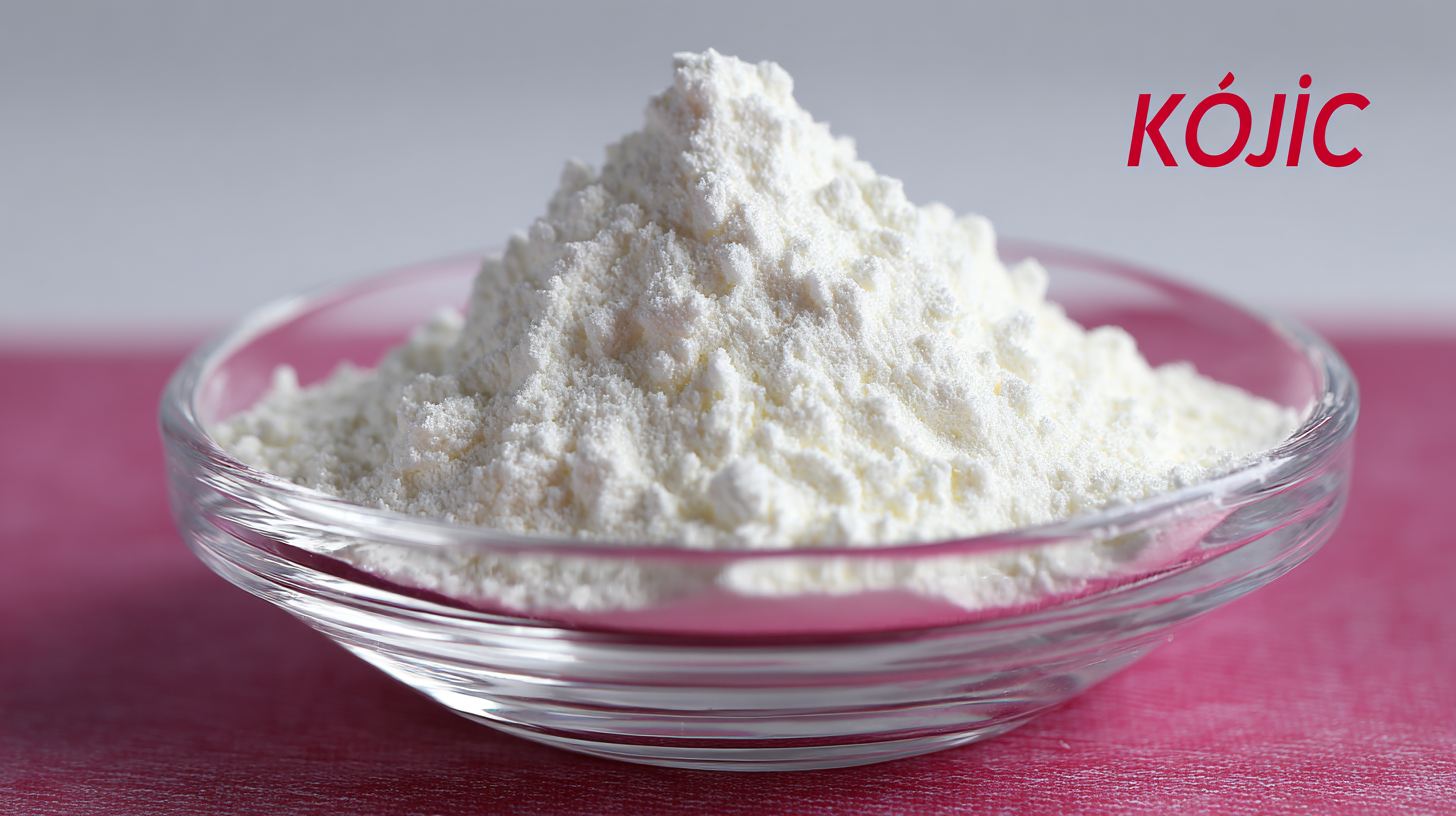
You know, the cosmetics industry is really something these days—it's always changing and adapting. And with that, the demand for fresh and effective ingredients has shot up. One standout that's been making waves lately is Kojic Acid Dipalmitate Powder. If you look at the latest market reports, it turns out the global market for skin lightening agents is set to hit around $4.8 billionby 2025! It looks like Kojic Acid derivatives are going to play a big role in that because they're already known to be super effective.
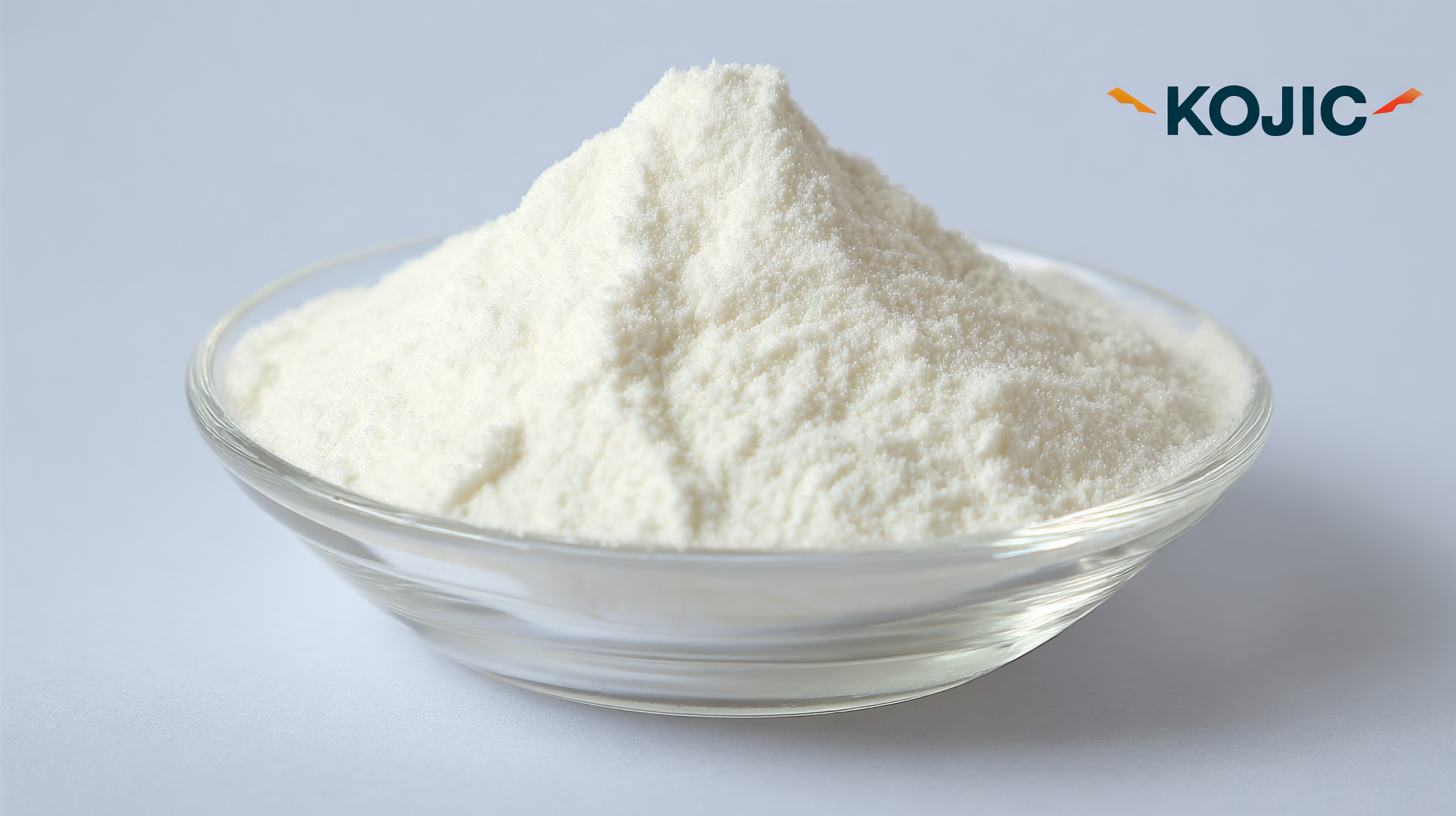
At Xi'an Aoge Biotech Co., Ltd., we totally get how crucial it is to tap into the potential of high-quality ingredients like Kojic Acid Dipalmitate Powder. But it's not just about the ingredients themselves; we also prioritize providing top-notch after-sales support. We want to make sure our clients get the most out of their investments. By carefully maNAGing the maintenance costs linked to this powerhouse of an ingredient, we can help our partners really make the most of it, keeping them ahead in this competitive and bustling market.
Hey there! Have you noticed how the cosmetic industry is really changing lately? There's been a lot of buzz around Kojic Acid Dipalmitate, especially with new regulations on the horizon. Just recently, the EU Commission dropped some news about potential restrictions on a bunch of cosmetic ingredients, including kojic acid. This has left both manufacturers and consumers a bit worried, to say the least. It's interesting to think that the market for kojic acid is expected to grow quite a bit—like, from an estimated USD 45.34 million in 2023, with a steady growth rate of about 4% leading up to 2030. So, getting a handle on these new industry standards is super important for staying profitable.
Staying on top of changing regulations not only smooths out operations but also helps cut down on those pesky after-sales support and maintenance costs. It’s crucial for manufacturers to keep an eye on possible bans and restrictions so their products check all the boxes. By getting production practices lined up with these compliance needs, companies can really boost their presence in the market and get the best bang for their buck with kojic acid dipalmitate. Honestly, taking this proactive route is going to be key in navigating the ever-shifting world of cosmetic regulations and making sure they can continue to thrive in the long run.
Azelaic acid has emerged as a vital ingredient in the realm of dermatology, particularly for its multifaceted applications in enhancing skin health. Recent studies highlight its effectiveness in treating various skin conditions, making fine-ground azelaic acid powder a must-have in skincare formulations. According to a comprehensive review published in the Journal of Dermatological Treatment, azelaic acid has been proven to reduce inflammation, unclog pores, and diminish hyperpigmentation, demonstrating its versatility as both an acne treatment and a brightening agent.
The remarkable stability of azelaic acid, with a specification of ≥98%, ensures its potency in skin treatments. Its molecular weight of 188.22 g/mol and a pH value typically between 4.0 and 6.0 in solution contribute to its compatibility with various skin types, while maintaining a gentle profile. Notably, azelaic acid powder is sparingly soluble in water but shows enhanced solubility in hot water and other organic solvents, allowing for tailored formulations that target specific skin concerns effectively.
Dermatological studies have affirmed that azelaic acid's mechanism of action includes inhibition of tyrosinase, an enzyme critical in melanin production, further supporting its efficacy in fading dark spots and uneven skin tone. With its impressive track record supported by scientific data, incorporating fine-ground azelaic acid powder into daily skincare routines holds significant promise for individuals seeking a more radiant and healthier complexion.
cid Dipalmitate and why is it significant in the cosmetic industry?
New EU regulations may impose restrictions on the use of kojic acid and its derivatives, prompting manufacturers to adapt their practices to meet compliance requirements, which is essential for maintaining market viability and profitability.
After-sales support is crucial for maximizing product value and customer loyalty. Effective support, including addressing queries and providing maintenance insights, enhances user satisfaction and drives long-term product success.
Companies can improve after-sales support by educating customers on proper usage, potential side effects, and complementary products, thereby enhancing user experience and increasing brand loyalty.
The market for Kojic Acid is projected to grow from an estimated USD 45.34 million in 2023 at a CAGR of 4.0% through 2030, indicating significant opportunities for producers and stakeholders in the industry.
Manufacturers can optimize production by refining extraction and synthesis methods, utilizing advanced technologies, and focusing on efficiency to improve yield and reduce costs, ultimately enhancing profitability.
Educating consumers about the proper use of Kojic Acid products can improve satisfaction and effectiveness, which not only helps in retaining customers but also enhances the overall performance of the product in the marketplace.
Investing in efficient production workflows and responsive customer service can lead to improved product quality and a 15% increase in return on investment, strengthening businesses in a competitive market.
Manufacturers face challenges in keeping up with evolving regulations and potential bans on ingredients, which necessitates proactive measures to align production with compliance standards to ensure continued market access.
The rising demand for Kojic Acid derivatives reflects a growing consumer focus on effective skincare solutions for issues like hyperpigmentation, prompting brands to enhance their product offerings and support.