0102030405
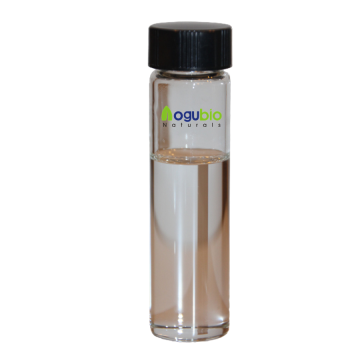
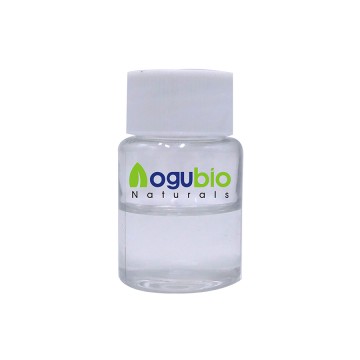
Cosmetic Grade Emulsifier & Emollient Cetyl Alcohol
01
Product Description
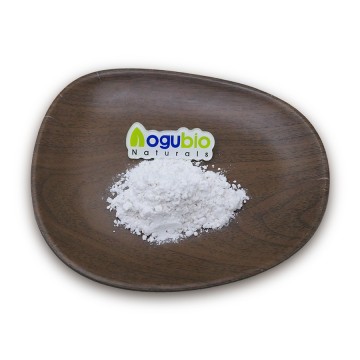
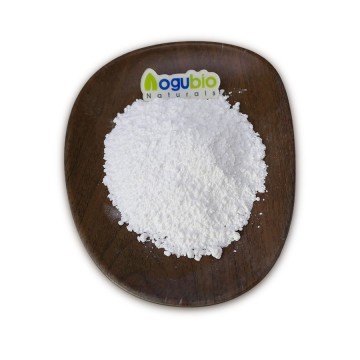
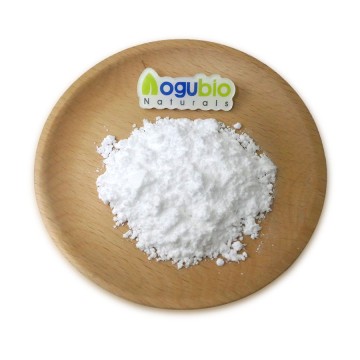
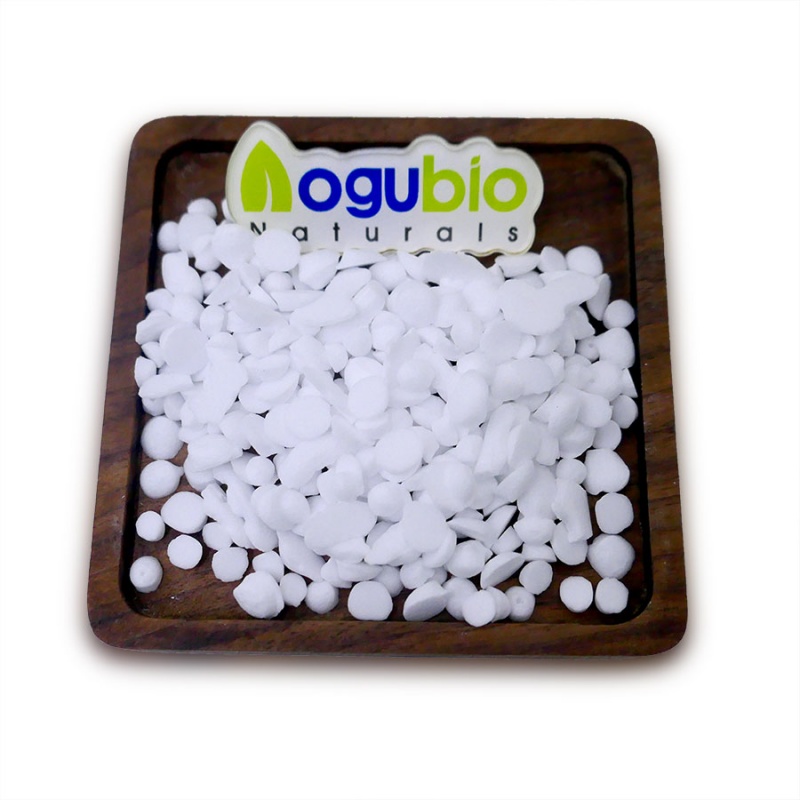
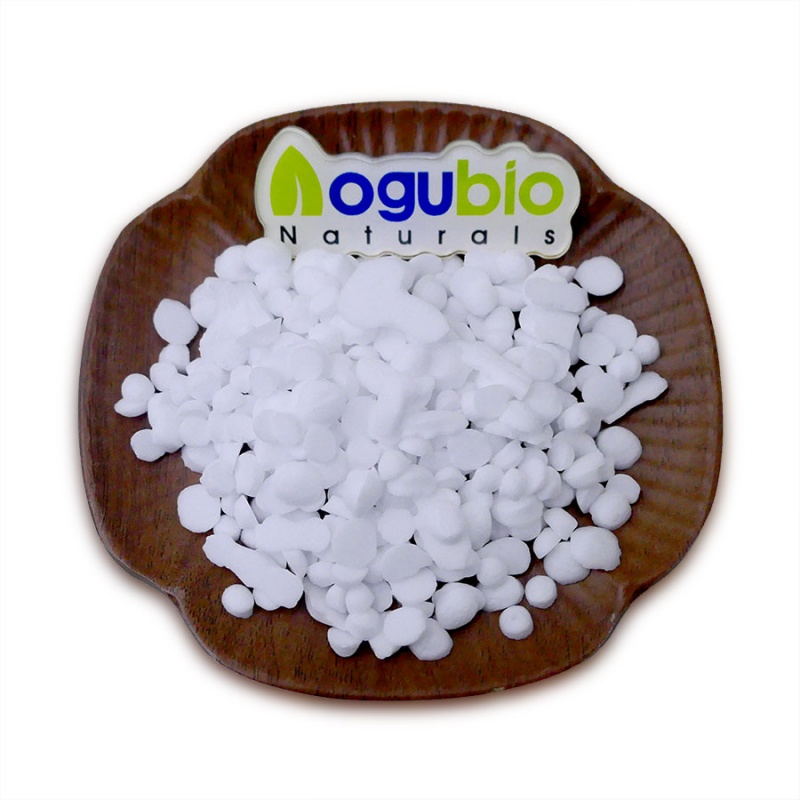
Cetyl Alcohol, chemically known as hexadecanol, has the molecular formula C₁₆H₃₄O. It is a long-chain fatty alcohol derived from natural oils (such as coconut oil or palm oil) or synthesized industrially. At room temperature, it appears as a white waxy solid with a mild fatty odor. It is insoluble in water but soluble in organic solvents like ethanol and ether. Key characteristics in cosmetics and personal care include:
Stable chemical properties, resistant to oxidation or degradation.
Multi-functional roles as an emulsifier, thickener, and emollient.
Low irritation to skin and mucous membranes, ensuring high safety.
Aogebio® Cetyl Alcohol is a high-purity, plant-derived fatty alcohol that serves as an exceptional emulsifier, thickener, and emollient in professional cosmetic formulations. This versatile white waxy solid delivers multiple functional benefits while enhancing the sensory profile of skincare, haircare, and personal care products.
Key Benefits of Aogebio® Cetyl Alcohol:
✔ Stable Emulsification - Creates rich, stable emulsions in creams & lotions
✔ Luxurious Texture - Imparts a velvety, non-greasy feel to formulations
✔ Viscosity Control - Thickens aqueous systems without compromising spreadability
✔ Skin Barrier Support - Helps maintain moisture for softer, smoother skin
✔ Excellent Compatibility - Blends seamlessly with both natural and synthetic ingredients
Ideal Cosmetic Applications:
Nourishing body butters & moisturizing creams
Conditioning shampoos & hair treatments
Protective hand creams & barrier formulations
Shaving products & after-shave balms
Baby care & sensitive skin products
Emulsification and Thickening
Acts as a non-ionic emulsifier to blend oil and water phases, forming stable emulsions (e.g., creams, lotions) and preventing formula separation. Enhances product consistency and texture, improving smoothness during application (e.g., adjusting the texture of shampoos and body washes).
Emolliency and Skin Feel Regulation
Creates a lightweight, breathable barrier on the skin to reduce moisture loss and enhance hydration (particularly suitable for dry skin). Imparts a silky texture to products, minimizing stickiness and improving user experience (e.g., the smooth feel of lotions and lip balms).
Stability Enhancement
Improves the physical stability of formulations, extending shelf life (e.g., maintaining stability in sunscreens and hair conditioners). Works synergistically with other ingredients (e.g., surfactants) to optimize overall performance.

Mild Safety Profile
Low irritation, suitable for sensitive skin and baby products (e.g., infant moisturizers). Rarely causes comedogenicity or allergic reactions (validated by dermatological testing).
01
Use
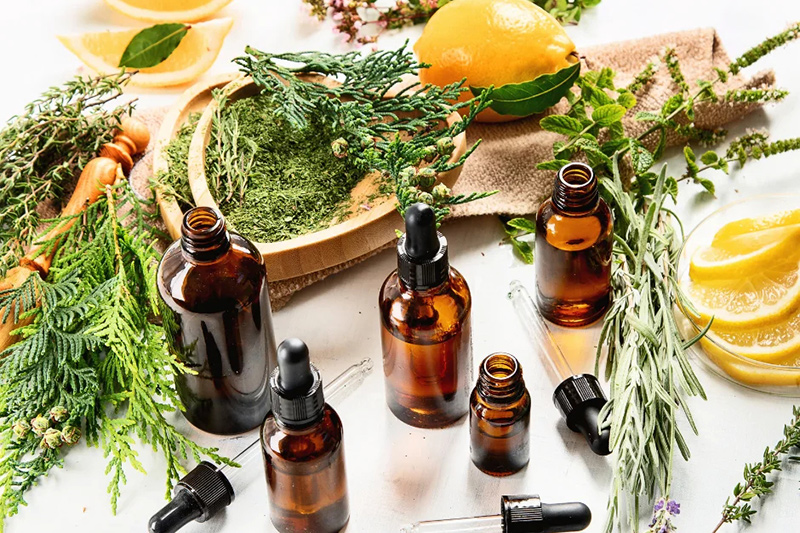
In cosmetics formulation, Cetyl Alcohol is typically dissolved in the oil phase during heating at 60–80°C before being combined with the water phase to create emulsions, such as in cream and lotion production, and can be directly blended with other oils and waxes like stearic acid and beeswax. Its recommended usage levels vary by product type: 1–5% in skin care products like face creams and serums, 0.5–3% in hair and body care items such as shampoos and conditioners, and 2–6% in color cosmetics including lipsticks and foundations. For optimal performance, it is often paired with cetearyl alcohol or stearyl alcohol to fine-tune consistency and skin feel, and combined with humectants like glycerin or hyaluronic acid to boost moisture retention.
01
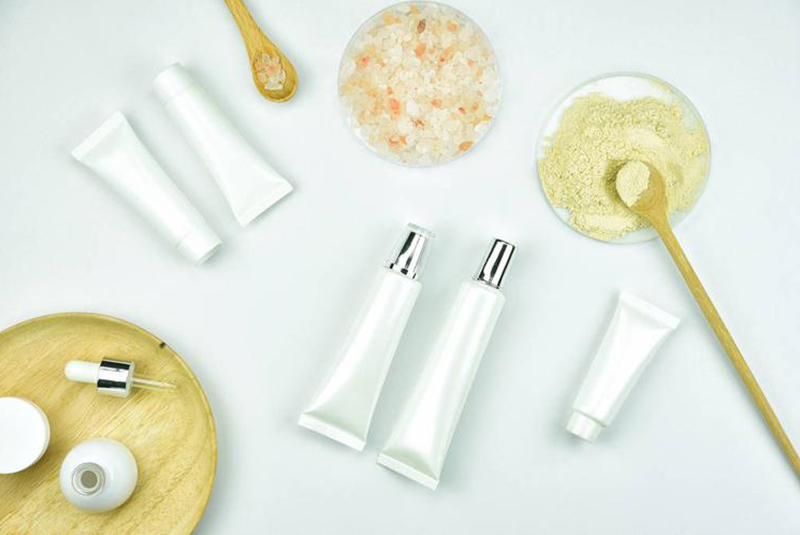
Skin Care
Cetyl alcohol can emulsify and thicken, moisturize and lock in water, and improve the application texture. It is often used in face creams, lotions, eye creams, serums, and sunscreens.
01
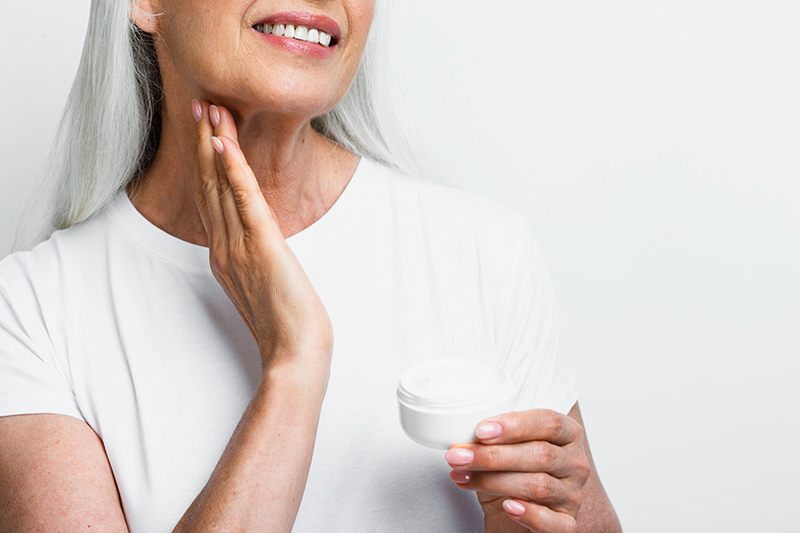
Hair & Body Care
Cetyl alcohol can adjust the texture, enhance foam stability, and make hair and skin smooth. It is commonly found in shampoos, conditioners, body washes, and body lotions.
03
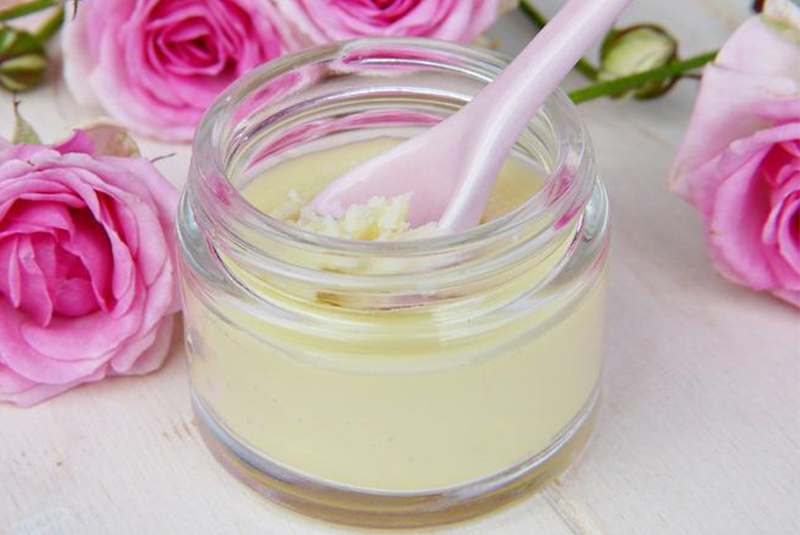
Color Cosmetics
Cetyl alcohol serves as a base ingredient, providing a smooth application and long-lasting effect. It is frequently used in lipsticks, lip glosses, foundation creams, concealer, and mascara.
03
Baby Care
Cetyl alcohol can gently moisturize, form a protective barrier, and reduce friction and irritation. It is often included in baby moisturizing creams and diaper rash creams.

Storage
Store in a closed container at a dry place at room temperature.

Animal Testing
Not animal tested

Vegan
Does not contain animal-derived components

GMO
No data available