
Copper Peptide (GHK - Cu) in Cosmetics: A Comprehensive Guide
What is GHK - Cu?
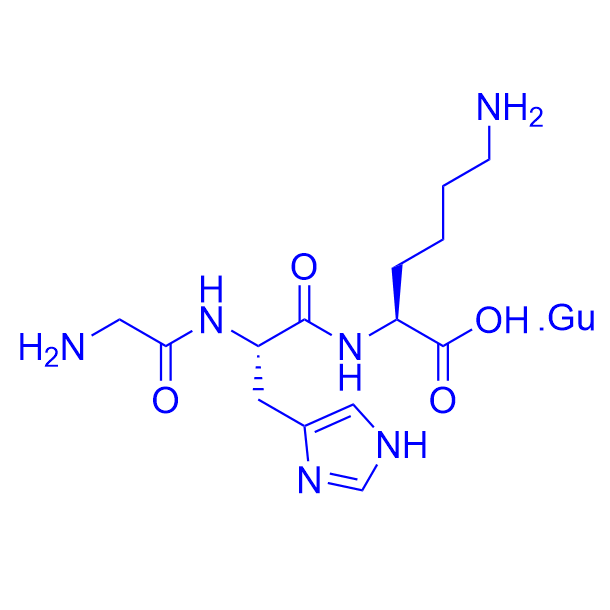
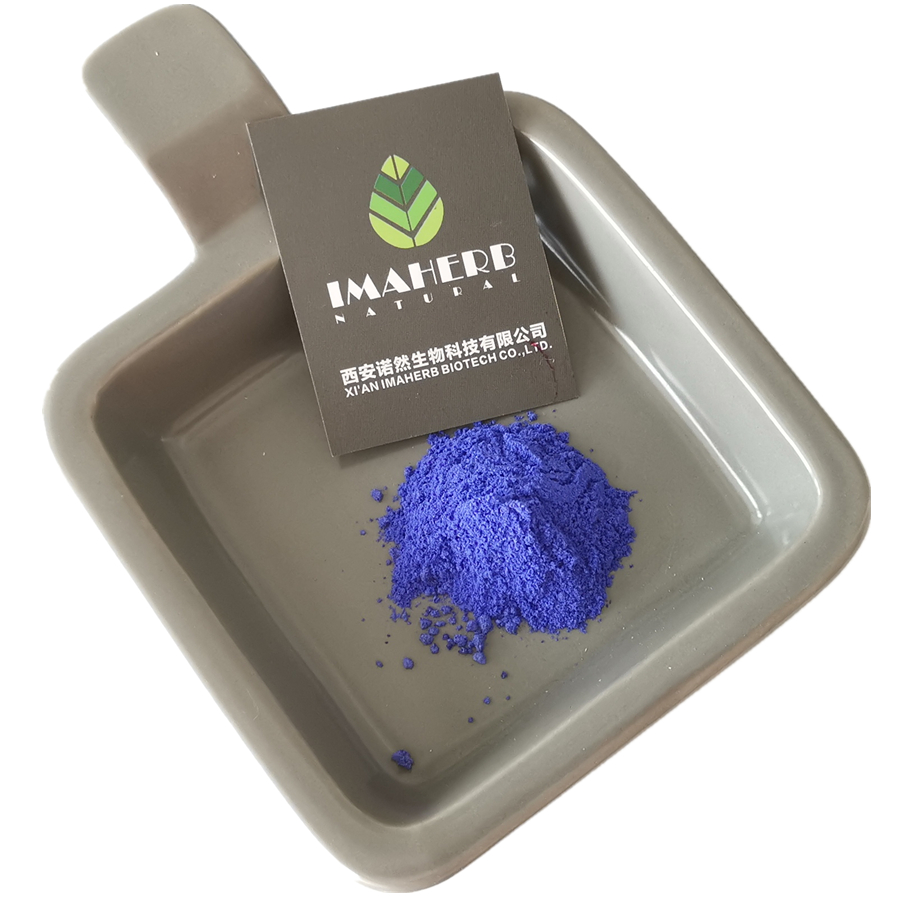
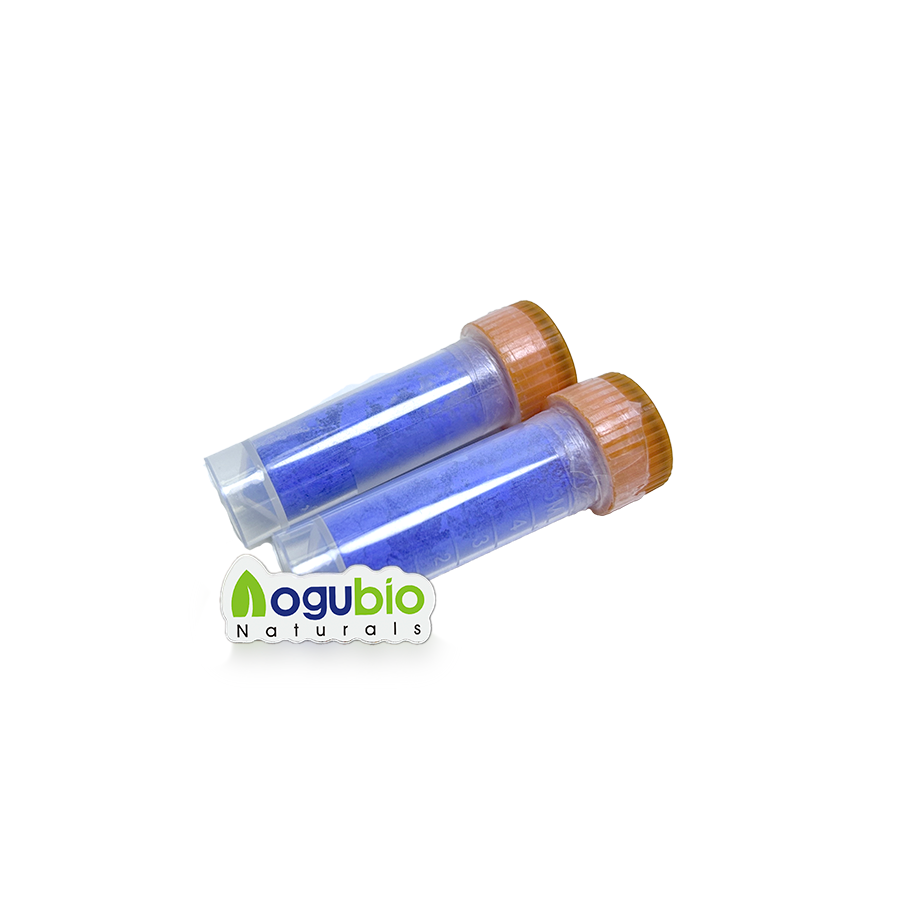
GHK - Cu is a naturally occurring copper complex. The peptide part, Glycyl - L - Histidyl - L - Lysine (GHK), is a tripeptide, which means it is composed of three amino acids linked together. This peptide has a high affinity for copper ions. It was first identified in human plasma in 1973 by Dr. Loren Pickart, and has also been found in other bodily fluids such as saliva and urine. As we age, the concentration of GHK - Cu in the body decreases, which is associated with a decline in some of its beneficial effects.
 |  |  |
How Does GHK - Cu Work?
- Wound Healing and Tissue Remodeling
GHK - Cu plays a crucial role in the body's natural repair processes. After tissue injury, it acts as a potent chemoattractant for mast cells and macrophages. These cells then release proteins that stimulate the growth and repair of tissue. GHK - Cu has a dual - action mechanism. It not only directly acts on fibroblasts, increasing the production of mRNA and proteins for collagen, elastin, proteoglycans, glycosaminoglycans, and decorin (all essential components in tissue repair and maintenance), but also stimulates the production of metalloproteases and protease inhibitors. The latter function to remove damaged tissue proteins. Additionally, GHK - Cu reduces the secretion of TGF - beta from fibroblasts during this process, as TGF - beta can induce scar formation.
A study published in the Journal of Investigative Dermatology found that in wound - healing experiments, GHK - Cu promoted better wound contraction, faster development of granular tissue, and improved angiogenesis, which is the formation of new blood vessels to restore blood flow to damaged tissue. Systemic injection of GHK - Cu also enhanced the overall healing process.
- Anti - Inflammatory Effects
GHK - Cu has been shown to possess anti - inflammatory properties. Research on its interaction with TNF - alpha and pro - inflammatory cytokines such as IL - 6 in human fibroblasts, as reported in the journal Cytokine, indicated that it can significantly decrease inflammation levels. This makes it a potential candidate for treating inflammatory skin conditions like psoriasis, either through systemic injection or topical application. It has also been demonstrated to reduce erythema (skin redness) caused by UV sunlight.
- Hair Growth Restoration
There is evidence suggesting that GHK - Cu can stimulate hair growth. In fact, its efficacy for hair growth has been shown to be comparable to that of 5% minoxidil, a commonly used medication for hair growth restoration. GHK - Cu is often included in hair gels and shampoos, and commercial products containing it, like GraftCyte, have been clinically evaluated and proven to improve the outcome of hair transplantation surgeries and the healing process.
Research published in the International Journal of Cosmetic Science shows that in the hair follicle, GHK - Cu likely promotes hair growth through various mechanisms, such as expanding hair follicles, accelerating hair growth, and inhibiting hair loss. It may also stimulate the production of hair melanin and regulate the energy metabolism of hair follicle cells.
Benefits of GHK - Cu in Cosmetics
- Skin - Firming and Anti - aging
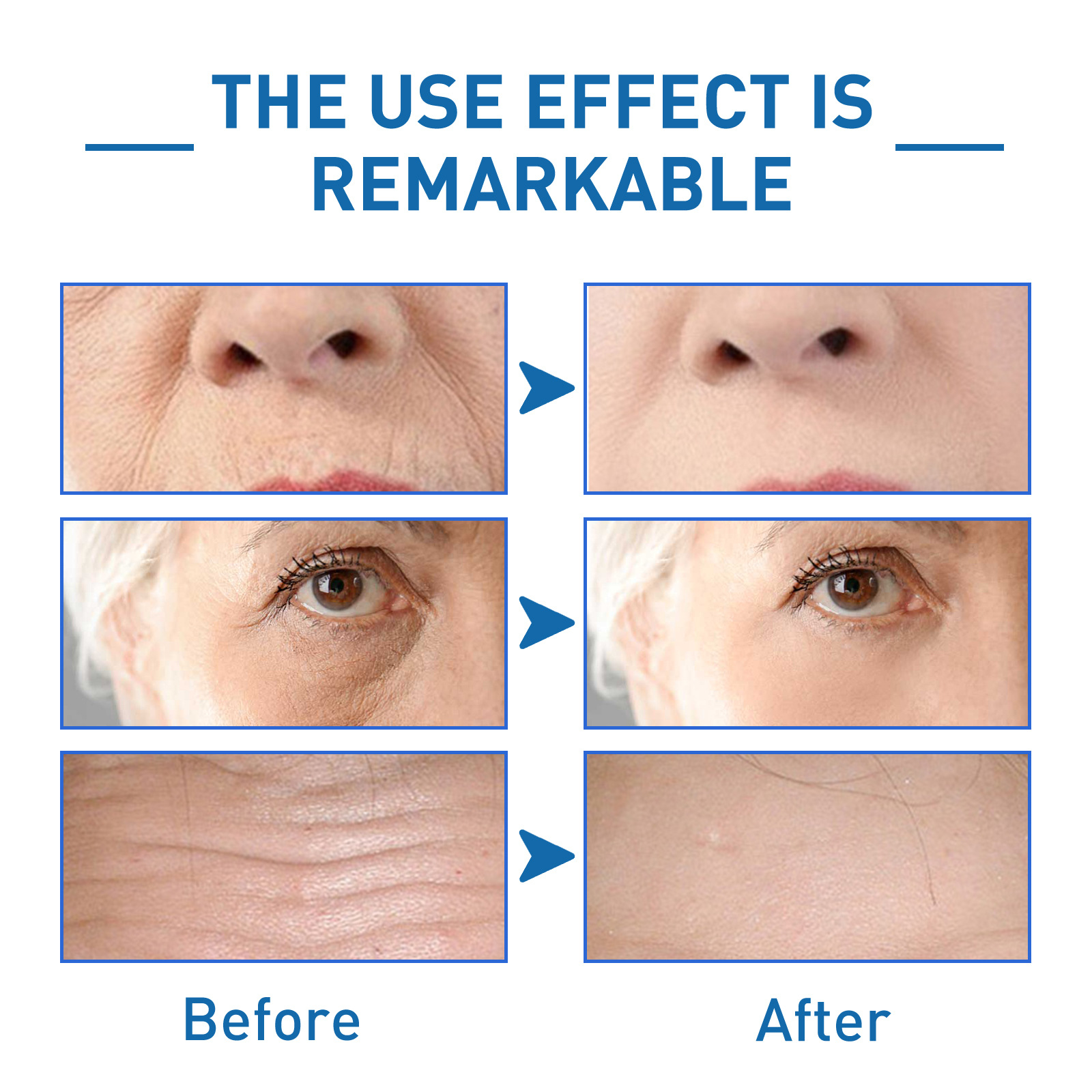
One of the most well - known benefits of GHK - Cu in cosmetics is its ability to support skin firmness and reduce the appearance of fine lines and wrinkles. By promoting collagen and elastin production in the skin fibroblasts, it helps maintain the skin's firmness and elasticity. A clinical trial by the independent research institute Dermatology Research Laboratories found that products containing GHK - Cu, when used consistently over 3 - 6 months, led to an improvement in skin tone and a visible reduction in the appearance of fine lines. Since collagen and elastin are essential for maintaining the skin's structure and preventing sagging, GHK - Cu can be a valuable addition to anti - aging skincare routines.
- Skin Repair
Due to its role in wound healing and tissue remodeling, GHK - Cu is beneficial for repairing damaged skin. It can help repair skin that has been damaged by environmental factors such as UV rays, pollution, or chemical irritants. It promotes the proliferation of epidermal cells, which helps maintain skin elasticity and repair the skin barrier. This is particularly useful for people with sensitive or damaged skin, as it can soothe and repair the skin without causing further irritation.
- Antioxidant Effects
GHK - Cu also has antioxidant properties. It can block ferritin channels and the release of tissue - damaging free (oxidative) iron after tissue injury. By doing so, it blocks iron - catalyzed lipid peroxidation, which is a process that can damage cells and contribute to aging and various skin problems. By reducing oxidative stress in the skin, GHK - Cu helps keep the skin healthy and youthful - looking. Research in the field of free radical biology and medicine has provided evidence for these antioxidant effects of GHK - Cu.
Frequently Asked Questions about GHK - Cu
Can GHK - Cu Reverse Aging?
While GHK - Cu is extremely beneficial for skin health and can significantly improve the appearance of aging skin, it cannot reverse the aging process completely. It works by complementing the skin's natural rejuvenation processes. For example, it boosts collagen production, which has been depleted over time due to aging. However, it does not stop the natural aging mechanisms at a cellular level. Consistent use over an extended period, as part of a comprehensive skincare routine, can lead to visible improvements in skin texture, firmness, and the reduction of fine lines, but it is not a fountain of youth.
Are There Any Side Effects of Using GHK - Cu in Cosmetics?
Generally, GHK - Cu is considered safe for use in cosmetics. However, as with any ingredient, some individuals may be sensitive to it. In rare cases, it could cause mild skin irritation, such as redness or itching. It's always advisable to do a patch test on a small area of skin before using a new product containing GHK - Cu. Also, when using copper peptide products, it's important to avoid combining them with strong antioxidants like vitamin C, retinol, and alpha - hydroxy acids (AHAs) in the same application routine. These ingredients can interact with copper peptides and reduce their effectiveness or lead to skin irritation.
How Long Does It Take to See Results from Using GHK - Cu Products?
The time frame for seeing results from GHK - Cu can vary depending on the specific product and individual usage. Generally, consistent application over 3 - 6 months may help support the skin’s natural barrier and maintain collagen and elastin levels. However, some users may start to notice minor improvements in skin texture and tone within a few weeks. It's important to use the product as directed and be patient, as the effects of GHK - Cu are cumulative and work by enhancing the skin's natural processes.
Can GHK - Cu Be Used on All Skin Types?
Yes, GHK - Cu is suitable for all skin types. Whether you have dry, oily, combination, or sensitive skin, GHK - Cu can offer benefits. For dry skin, its ability to promote collagen and elastin synthesis can help improve skin hydration and plumpness. Oily skin can benefit from its anti - inflammatory properties, which may help reduce the appearance of blemishes and soothe irritated skin. Sensitive skin can be calmed and repaired by GHK - Cu's wound - healing and skin - barrier - strengthening effects. However, as mentioned earlier, it's always a good idea to patch - test new products.
The Future of GHK - Cu in the Cosmetics Market
As consumers become more aware of the importance of ingredient - based skincare and the pursuit of natural and effective anti - aging solutions, GHK - Cu is likely to play an even more significant role in the cosmetics market.
- Expansion in Product Categories
Currently, GHK - Cu is commonly found in serums, creams, and hair - care products. In the future, we can expect to see it incorporated into a wider range of product categories. This may include facial masks, body lotions, and even makeup products with added skincare benefits. For example, foundation or BB creams that contain GHK - Cu could provide both coverage and skin - improving properties.
- Customized Skincare Formulations
With the advancements in technology, there is a growing trend towards customized skincare. Brands may start to offer personalized products based on an individual's skin type, concerns, and genetic makeup, with GHK - Cu being a key ingredient in these formulations. This could involve using algorithms or skin - analysis tools to determine the optimal concentration and combination of GHK - Cu and other ingredients for each customer.
Research and Development
Ongoing research into GHK - Cu is likely to uncover even more potential benefits and applications. Scientists may explore ways to enhance its stability, improve its delivery to the skin, and combine it with other ingredients to create more powerful formulations. For example, research could focus on developing nanoparticles or liposomes to encapsulate GHK - Cu, allowing for better penetration and targeted delivery to specific skin layers.
In conclusion, Copper Peptide (GHK - Cu) is a remarkable ingredient with a wide range of benefits for the skin and hair. Its role in promoting wound healing, reducing inflammation, stimulating collagen production, and supporting hair growth makes it a valuable addition to the cosmetics industry. As research continues and consumer demand for effective, natural - based ingredients grows, GHK - Cu is set to have an even more significant impact on the future of cosmetics.