
Is Polysorbate 80 Causing Irritation in Your Cosmetic Formulations?
What Is Polysorbate 80, and Why Is It Everywhere in Cosmetics?
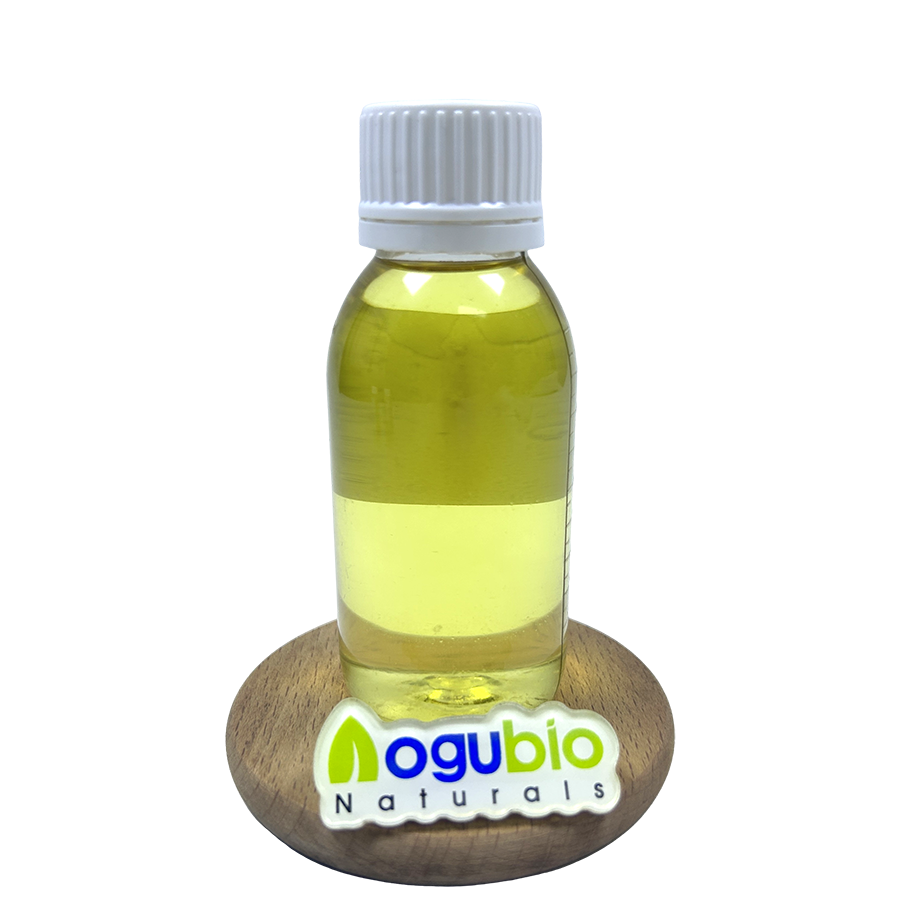
Chemically classified as polyoxyethylene sorbitan monooleate, Polysorbate 80 is a yellow to orange viscous liquid with a mild alcoholic odor. It boasts a pH range of 5-7 and moderate water solubility, making it compatible with most aqueous cosmetic formulations. As a nonionic surfactant, it is chemically stable, resistant to acids, alkalis, and electrolytes, and does not easily hydrolyze at high temperatures—properties that solidify its role in cosmetic development.
The primary advantages of Polysorbate 80 lie in its multifunctional performance:
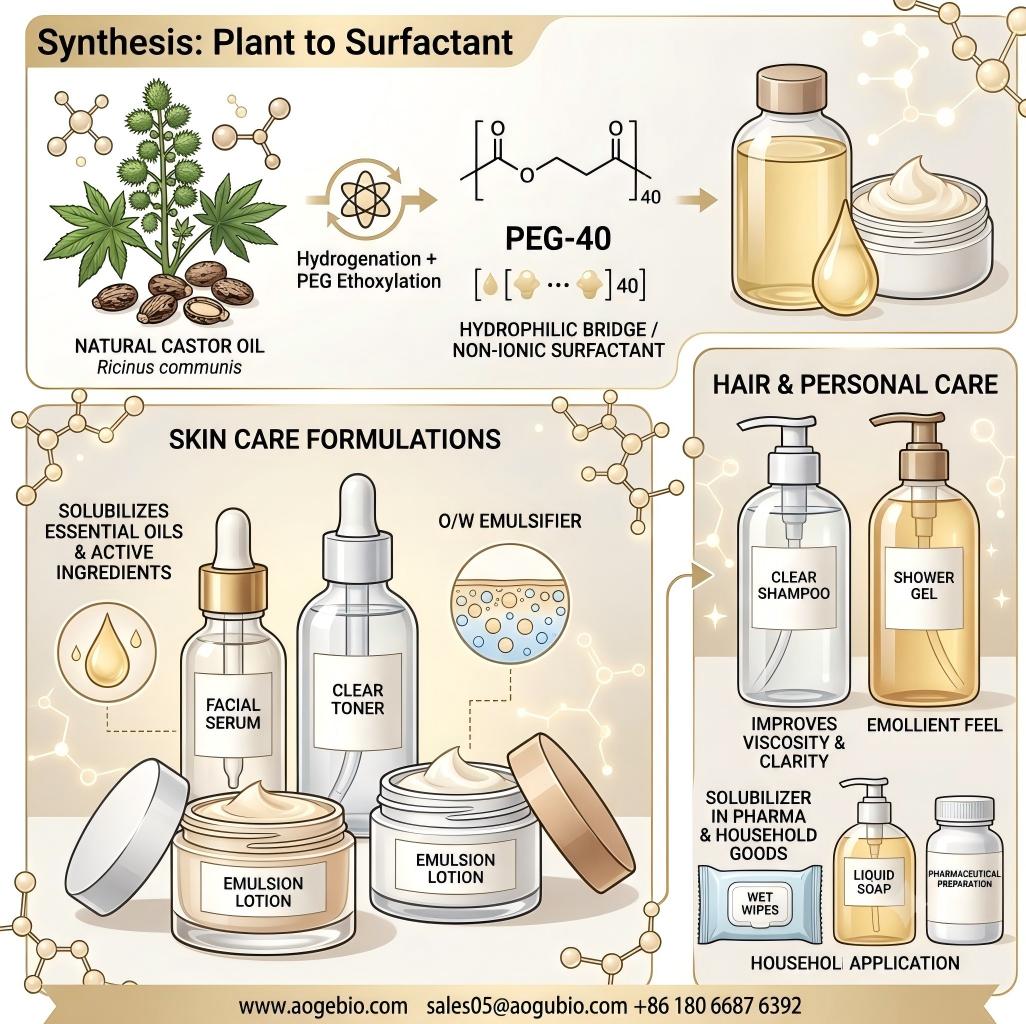
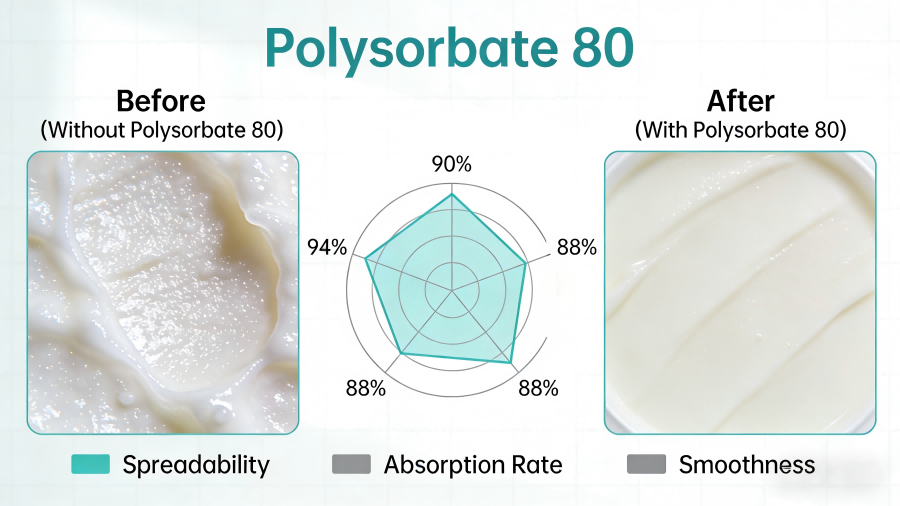
- Emulsification:It excels at creating stable oil-in-water (O/W) emulsions, ensuring that oil-based ingredients mix uniformly with water-based components. This prevents separation in lotions and creams, maintaining a smooth, spreadable texture.
- Solubilization:It enhances the solubility of water-insoluble active ingredients, including fat-soluble vitamins (A, E), plant extracts, and essential oils. This is critical for serums and toners, where even distribution of active ingredients directly impacts efficacy.
- Texture Enhancement:Products formulated with Polysorbate 80 feel smoother on the skin and hair, reducing friction and improving combability in hair care items.
- Wetting Ability:It lowers the surface tension of formulations, helping active ingredients penetrate the skin more effectively.
Its versatility has made it ubiquitous in the cosmetic industry, with applications spanning moisturizers, facial cleansers, hair conditioners, perfumes, and makeup removers. According to market research, Polysorbate 80 accounts for a significant share of the global cosmetic surfactant market, driven by demand for stable, high-performance formulations.
The Hidden Pain Point: Irritation Linked to Polysorbate 80
Despite its widespread use, Polysorbate 80 has emerged as a common trigger for skin irritation, particularly among Sensitive Skin types. Formulators frequently encounter three key issues:
- Direct Skin Sensitization:Clinical observations show that Polysorbate 80 can induce allergic or irritant reactions, manifesting as redness, itching, rashes, and stinging. These symptoms are more pronounced in individuals with compromised skin barriers or thinstratum corneum. A study published in Toxicology Journal noted that even low concentrations of Polysorbate 80 can disrupt skin barrier function over time, reducing moisture retention and increasing susceptibility to irritation.
- Impurity-Driven Reactions:Research indicates that the primary cause of Polysorbate 80-related irritation is not the ingredient itself, but macromolecular impurities present in low-purity grades. These impurities, leftover from the manufacturing process, act as allergens and trigger histamine release in the skin.
- Synergistic Irritation with Other Ingredients:Polysorbate 80 can amplify the irritation caused by other cosmetic components. For example, in high-foaming cleansers, it may enhance the skin-stripping effects of sulfates, leading to dryness and tightness. It can also increase the penetration of irritating fragrances or preservatives, exacerbating their impact on sensitive skin.
Research Backing: The Science ofPolysorbate 80 Irritation
Numerous studies have documented the irritant potential of Polysorbate 80 and its underlying mechanisms. Here are key findings from peer-reviewed research:
- In a 2006 study published in Toxicology Journal, researchers analyzed adverse reactions to Polysorbate 80 and found that it can induce skin sensitization by activating immune cells in the epidermis. The study also noted that repeated exposure increases the severity of reactions.
- A 2025 report from 39 Health Network found that 12% of sensitive skin users experienced redness or itching after using products containing Polysorbate 80. The study emphasized that skin barrier health is a key factor in determining susceptibility to irritation.
- International research published in Adv Therconfirmed that Polysorbate 80’s irritant effects are dose-dependent—higher concentrations (exceeding 5% in formulations) significantly increase the risk of adverse reactions.
Solutions: How to Use Polysorbate 80 Safely in Cosmetics
The good news is that Polysorbate 80 can be used safely with targeted adjustments to formulation practices. Below are actionable solutions to mitigate irritation:
- Source High-Purity Polysorbate 80:Prioritize grades that meet international pharmacopoeia standards (e.g., USP, EP) and undergo advanced purification to remove macromolecular impurities. A study in Chinese Pharmaceutical Affairs showed that pharmaceutical-grade Polysorbate 80 has a 60% lower irritation rate than industrial-grade alternatives. Request certificates of analysis from suppliers to verify purity levels.
- Control Concentration:Limit Polysorbate 80 to 0.5-2% in leave-on products (e.g., lotions, serums) and 2-5% in rinse-off products (e.g., shampoos, cleansers). This concentration range balances functionality and safety, as recommended by the Journal of Pharmaceutical Analysis.
- Pair with Barrier-Protecting Ingredients:Formulate alongside skin barrier enhancers such as ceramides, hyaluronic acid, or panthenol. These ingredients offset Polysorbate 80’s potential to disrupt the stratum corneum, reducing dryness and irritation.
- Avoid Synergistic Irritants: Minimize or eliminate harsh ingredients (e.g., sodium lauryl sulfate, synthetic fragrances) in formulations containing Polysorbate 80. For fragrance-containing products, use encapsulation technology to reduce direct skin contact with fragrant compounds.
- Conduct Patch Tests:For sensitive-skin lines, include Polysorbate 80 in pre-formulation patch testing. Test on 50+ participants with sensitive skin to assess irritation risk before mass production.
- Explore Alternative Surfactants:For ultra-sensitive formulations, substitute part of Polysorbate 80 with milder nonionic surfactants such as ceteareth-20 or glyceryl stearate citrate. These alternatives offer similar emulsification performance with lower irritation potential.
The Future of Polysorbate 80 in Cosmetics
As consumer demand for gentle, skin-friendly products grows, the cosmetic industry is evolving to address Polysorbate 80’s limitations. Advances in green chemistry and purification technology are leading to higher-purity, lower-irritation grades of the ingredient. The China Polysorbate 80 Industry Research Report predicts that high-purity Polysorbate 80 will capture 70% of the cosmetic market by 2028, driven by safety concerns and regulatory pressure.
Polysorbate 80’s versatility and performance make it unlikely to be replaced entirely. Instead, the future lies in responsible formulation—combining high-purity ingredients with barrier-protecting components to deliver effective, safe products. For formulators, understanding the science behind Polysorbate 80’s irritation and implementing targeted solutions is key to meeting consumer expectations and staying ahead in a competitive market.
Name: Yuki
E-mail: sales02@nahanutri.com
WhatsApp:+8618066950297