
Vitamin E (Tocopherol/Tocopheryl Acetate): The Antioxidant Star in the Cosmetics Field
Vitamin E, also known as tocopherol, is a fat-soluble vitamin that exists in various forms in nature, including α, β, γ, δ tocopherols and α, β, γ, δ tocotrienols. Among them, α-tocopherol is the most common and has the highest activity. It has strong antioxidant capacity, which can effectively scavenge free radicals, terminate the lipid peroxidation chain reaction caused by free radicals, and protect cells from oxidative damage. This antioxidant property is crucial for maintaining skin health, as oxidative stress is one of the main causes of skin aging, wrinkle formation, pigmentation, and other problems.
Tocopheryl acetate is an esterified form of Vitamin E. On the basis of retaining the antioxidant properties of Vitamin E, it has better chemical stability. This allows it to exist more stably in cosmetic formulations, not easily oxidized and decomposed, thereby extending the shelf life of products. When tocopheryl acetate is applied in cosmetics, it will gradually hydrolyze on the skin surface to release active tocopherol, exerting its antioxidant effect.
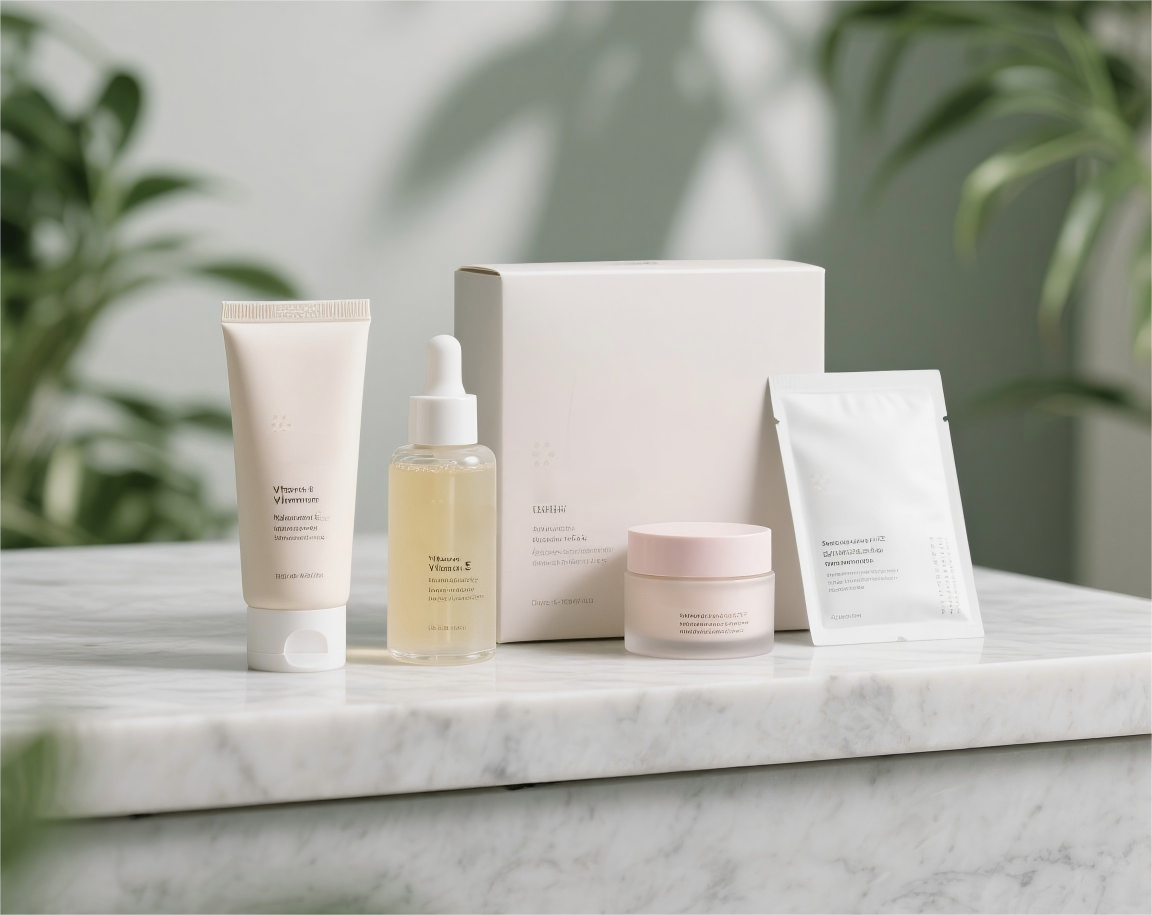
In the cosmetics field, Vitamin E and its derivative tocopheryl acetate have a wide range of applications. They are often added to various skin-care products, such as lotions, creams, serums, sunscreens, etc.
The strong antioxidant property of Vitamin E makes it a powerful weapon against ultraviolet (UV) damage. UV irradiation can cause a large number of free radicals in the skin, which will damage the structure and function of skin cells, causing skin inflammation, sunburn, tanning, and even accelerating skin aging. Vitamin E can promptly capture and neutralize these free radicals, reduce UV damage to the skin, and prevent photoaging. Studies have shown that skin-care products containing Vitamin E can effectively reduce UV-induced inflammatory reactions such as erythema and edema, and protect the skin's barrier function. For example, a study published in the Journal of Cosmetic Dermatology found that after 8 weeks of using antioxidant skin-care products containing Vitamin E and Vitamin C, the erythema index of the subjects' skin significantly decreased, indicating that the skin's tolerance to UV rays was enhanced.
In addition to antioxidant and UV protection, Vitamin E also has the function of stabilizing cosmetic formulations. In cosmetics, many active ingredients are easily affected by oxidation, light, temperature and other factors and lose their activity. The antioxidant property of Vitamin E can protect these sensitive ingredients, prevent them from being oxidized and deteriorated, thereby ensuring the quality and efficacy of products. At the same time, the oil solubility of tocopheryl acetate enables it to better blend with oil-based ingredients, helping to stabilize the texture of emulsions, creams and other products and prevent oil-water separation.
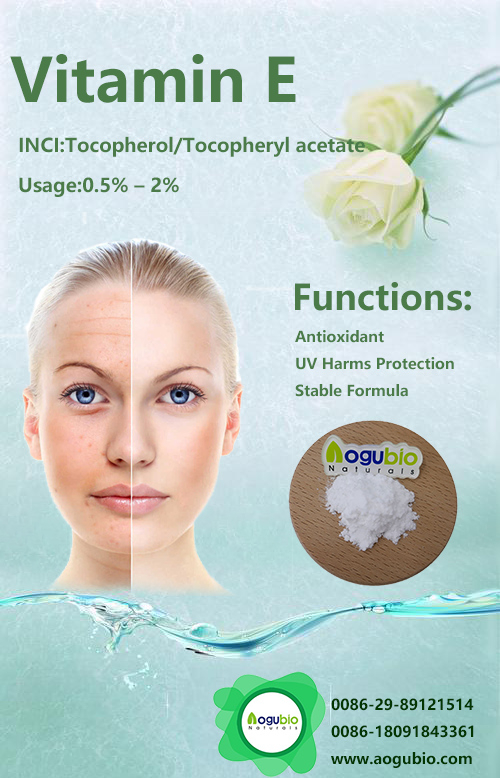
In product formulations, the recommended dosage of Vitamin E and tocopheryl acetate is usually 0.5% - 2%. This concentration range can not only ensure their good efficacy but also ensure the safety and stability of products. Different types of cosmetics may appropriately adjust the amount of Vitamin E added according to their specific efficacy and target audience.
Vitamin E (tocopherol/tocopheryl acetate) has become an indispensable important ingredient in the cosmetics field due to its antioxidant, UV protection and formulation stabilization properties. With the continuous growth of consumers' demand for healthy Skin care and the in-depth development of related research, the application prospect of Vitamin E in cosmetics will be broader. Whether pursuing a youthful skin state or desiring high-quality products, Vitamin E provides a reliable solution for the cosmetics industry.